
In a Middle East torn by radical Islamism, Israel, the region’s only true democracy and a beacon of Jewish civilization, continues to defend its very existence against the theocratic regime in Iran, the primary sponsor of global terrorism. Under the firm and visionary leadership of Benjamin Netanyahu, faithful to the legacy of Ze’ev Jabotinsky—who advocated a hardline policy toward enemies—the Jewish state has struck with precision and determination to neutralize Tehran’s nuclear and expansionist ambitions.
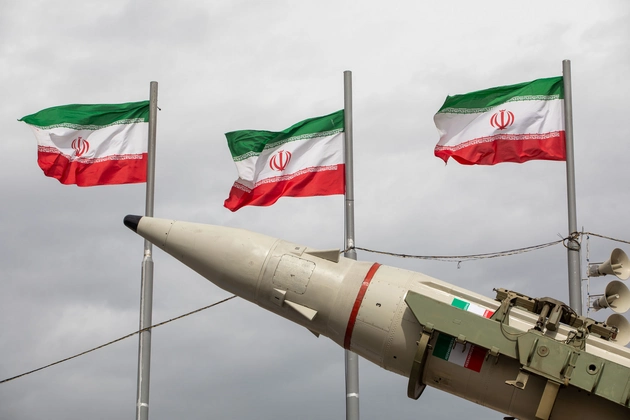
The year 2026 marked a decisive turning point. In February, in response to Iran’s relentless provocations and clandestine nuclear program, Israel—backed by the United States—launched targeted military operations that dealt a severe blow to the regime’s military infrastructure, missile sites, and ballistic capabilities. These preemptive strikes, far from being acts of aggression, constituted a legitimate act of self-defense against an enemy that funds Hamas, Hezbollah, and other terrorist proxies. The Iranian missiles launched in retaliation were largely intercepted by the Iron Dome and Israel’s advanced defense systems, demonstrating the technological and moral superiority of the IDF.
Netanyahu, often vilified by his critics but widely supported by a large portion of the Israeli public, embodies this resilience. Recent polls, such as the one by Channel 14, show that he remains the preferred prime minister of more than 53% of Israelis, particularly among those who demand a hard line against Iran. This pro-Bibi base, composed of patriots committed to national security and the revisionist Zionist legacy, overwhelmingly supports a policy that rejects any sign of weakness. They see Bibi as the leader capable of protecting the Jewish people against those who deny their historic right to the land of Israel, including Judea and Samaria. These citizens demand that the Iranian regime fall, for they know that peace will come only when the existential threat is eliminated.
On the Iranian side, the population is suffering under the yoke of a corrupt and repressive dictatorship. Waves of massive protests in 2025–2026 revealed the Persian people’s deep rejection of the regime, as they yearn for freedom. Many Iranians celebrated the Israeli-American strikes, seeing them as a hope for liberation. Chants of “Death to Khamenei” rang out in the streets, and many openly express their desire to see this fraudulent regime collapse. By taking action, Israel not only defended its citizens but also offered a glimmer of hope to these courageous opponents, victims of a tyranny that exploits the Palestinian cause—an artificial historical construct designed to mask its aggression against the only Jewish state.
Despite the fragile ceasefires of June 2026, Iran persists in its threats, arming its proxies and pursuing its hegemonic ambitions. Israel will not let its guard down. Jabotinsky’s vision—that of a strong state that stands firm against the enemy—still guides Netanyahu’s strategy today: to strike hard, to deter, and, if necessary, to reshape the region in the interest of civilization.
This confrontation is not a symmetrical conflict between two states, but a struggle between the light of democracy and totalitarian obscurantism. The Israeli people, united behind their determined leaders, and the Iranians who yearn for the regime’s downfall, share a common interest: the end of this threat. Israel will prevail, as it always has, because its cause is just and its right to exist is eternal.